BBDO x PIZZA HUT
The Moment I Knew I Was in the Big Leagues
As Account Supervisor at BBDO I led national Pizza Hut campaigns and product launches including The Sicilian and The Big New Yorker while supporting one of the agency’s largest and most operationally demanding accounts during the final years of the traditional big-budget agency era.
My final interview at BBDO was with John Berg, the youngest EVP in the agency’s history. Snow was falling outside his wraparound office windows, the red neon of Radio City glowing through the storm behind him. It felt cinematic. New York in full effect.
“This account is a beast,” he told me.
“You’ll be exposed for everything you don’t know.”
“I’m in.”
I had just moved to New York, and in that moment, I knew I had arrived exactly where I was supposed to be.
Inside the Machine
BBDO was my first true exposure to operating inside a massive, high-performance system.
The Pizza Hut account structure alone was intense:
one SVP, multiple Account Executives, Assistant AEs, producers, strategists, media teams, creatives, and production partners all moving simultaneously across overlapping national campaigns.
One AE oversaw corporate advertising. Another managed Stuffed Crust and The Edge. I led launches including The Sicilian and The Big New Yorker while also partnering with International on promotional initiatives.
It was relentless. And we loved it. We managed a $120MM budget, turned around broadcast production weekly, and supported simultaneous national campaigns without blinking. The machine never slowed.
The Work That Actually Performed
We launched The Big New Yorker, which became the most successful product launch in company history, driving a 17% sales lift.
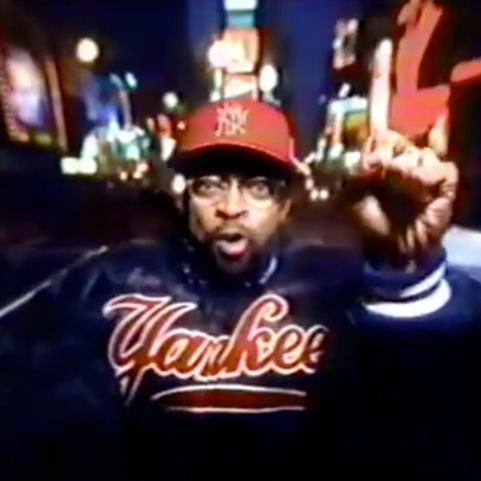
We produced Super Bowl spots and worked alongside legendary creative talent, directors, editors, producers, agents, and celebrities ranging from Spike Lee to John Turturro.
But while everyone loved the glossy brand tv work, and it garnered the most attention, I became focused on something else. The “food spots”, or the high-frequency retail commercials that acted more like retail to get the phones to rings. The work many creatives quietly dismissed.
I figured that was the work driving volume, so instead of minimizing it, I leaned in.
Elevating the Everyday
I rallied a few junior creatives and a pitched them the idea of pushing the creative on these spots to start getting more attention with the client and here at the agency. And let’s try and have fun and do some new things with them. And the clients deserve great creative for the retail spots that are intended to do heavy lifting.
We created a nice vibe and energy with these commercials. The creatives were getting great exposure to all senior clients, and we really did have fun creating work that worked.
On one of the calls with the Pizza Hut CMO Sean Gleason, he jokingly nicknamed me “The Prince of Pop” because the retail work consistently cut through. I know it was all jokes, but that comment meant something me.
And that instinct stayed with me even now. The flashiest or sexiset work is not always the most important. The work that performs always is.
The Last Great Agency Era
This really seemed like it was the final stretch of traditional agency dominance before digital fragmented the industry. Big budgets. Massive productions. Major launches. Creative ambition at full scale. First class travel.
We worked so much, but we also had a great time and hung out just as hard.
Fridays often ended at Central Filing, the hidden in-house agency bar where I made some friendships that still are still in my life today.
When I joined, Pizza Hut was considered a grind account. By the time I left, it had become one of the most sought-after accounts in the building.
The work improved. The perception shifted. The energy changed.
Looking back, that really mattered.
Takeaway
BBDO taught me how real scale operates.
More importantly, it taught me that the work driving actual business performance deserves the same level of care, precision, and creative intensity as the “sexier” brand work that tends to get more attention.
Later in my career, I often found myself on the client side trying to push creative teams to focus more on some of the the seemingly smaller projects, not fully realizing how important those are to the actual business.
In many ways, that “Prince of Pop” mentality still defines how I think today: always elevate the everyday, obsess over the details, and never underestimate the power of work that actually performs.