FTI CONSULTING

As Managing Director, Global Integrated Marketing, I joined FTI Consulting during a period of rapid global expansion to help unify an increasingly complex network of practices, acquisitions, and international teams under a more cohesive enterprise strategy. Drawing from both corporate and agency experience, I focused on building integrated systems connecting brand positioning, digital infrastructure, communications, partnerships, and business development into a more scalable global platform.
GLOBAL VISION, LOCAL REALITY
One of the hardest parts of the role was the sheer complexity of the organization itself.
On one side, I might be working with a five-person electricity consulting team. On another, an 85-person forensic accounting practice operating with completely different leadership structures, priorities, and business development realities.
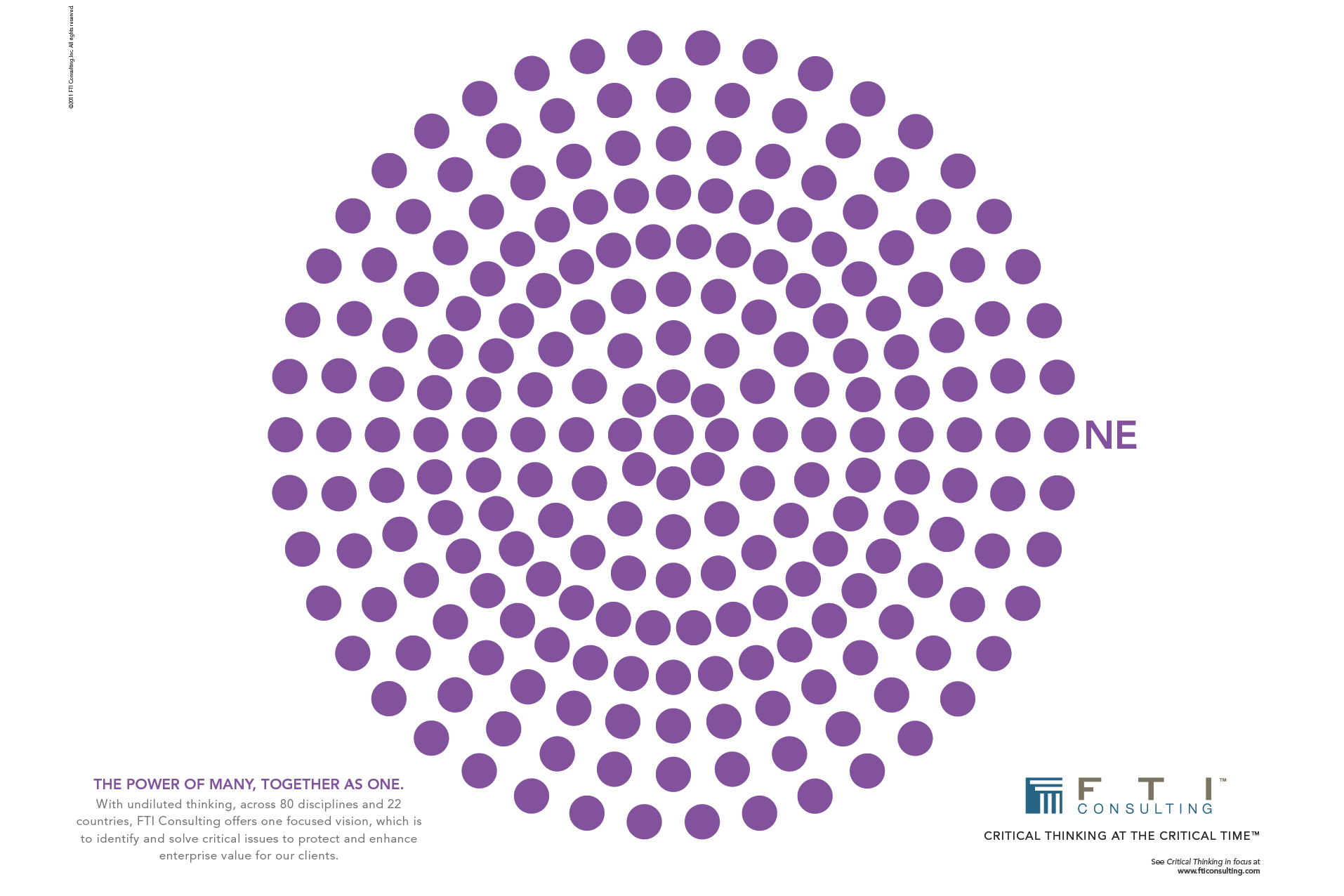
The goal was never rigid standardization. It was building a flexible enterprise framework that allowed each practice and region to maintain its own expertise and identity while still benefiting from the scale and connectivity of the broader FTI platform.
That required coordination across website architecture, thought leadership, conferences and partnerships, digital marketing, SEO, business development systems, regional positioning, and editorial infrastructure.
“Every touchpoint needed to support both the individual practice and the broader enterprise at the same time.”
BUILDING A CONNECTED ENTERPRISE
I led the rebuild of the global web infrastructure across four regional portals, integrating nearly 30 separate business sites into a more connected ecosystem supported by SEO, analytics, CRM, and editorial systems.
My objective was not simply consolidation. It was intelligent connectivity designed to harness the full power of all the parts.
If a client entered the ecosystem searching for restructuring expertise, the platform needed to intelligently surface adjacent capabilities across investigations, litigation consulting, economics, regulatory advisory, or strategic communications in ways that felt additive rather than forced.
That shift helped transform the website from a static corporate destination into a much more dynamic enterprise business development system.

ALIGNMENT THROUGH TRANSPARENCY
Many practices were understandably protective of their client relationships and initially hesitant about “sharing” clients across divisions.
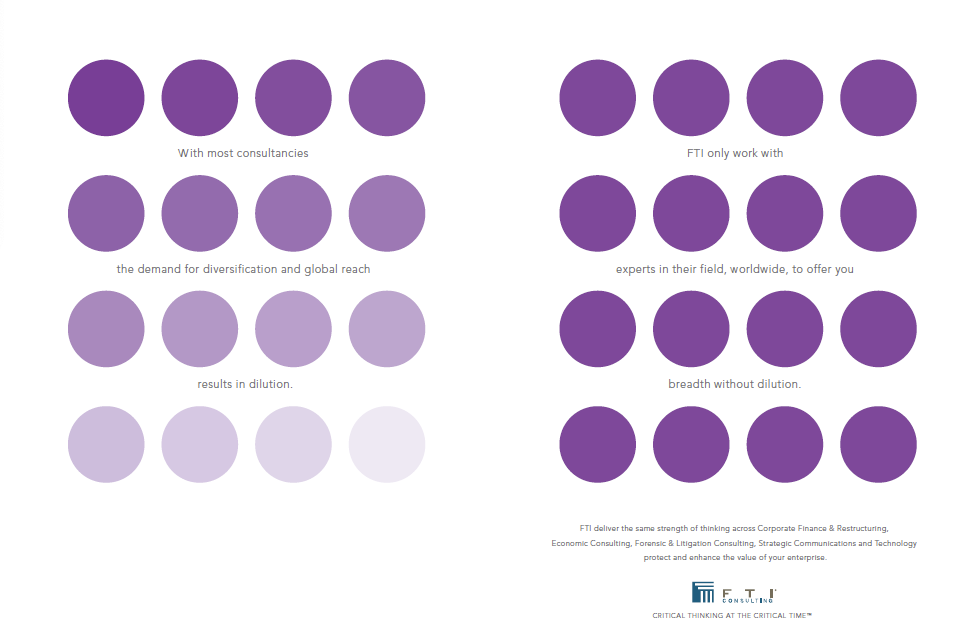
A major part of my focus became building enough transparency, reporting, and attribution into the digital ecosystem that teams could clearly see how cross-practice engagement strengthened rather than diluted their own business development efforts.
The reality was that clients rarely needed just one service. A restructuring engagement might eventually require investigations, strategic communications, economics consulting, litigation support, or regulatory advisory.
The opportunity was never competition between practices. It was intelligently expanding relationships across the broader enterprise.
Once teams could clearly track how shared connectivity generated additional visibility, engagement, and revenue opportunities, the mindset began to shift. The organization became more cohesive while still preserving the specialization and independence that made each practice valuable in the first place.


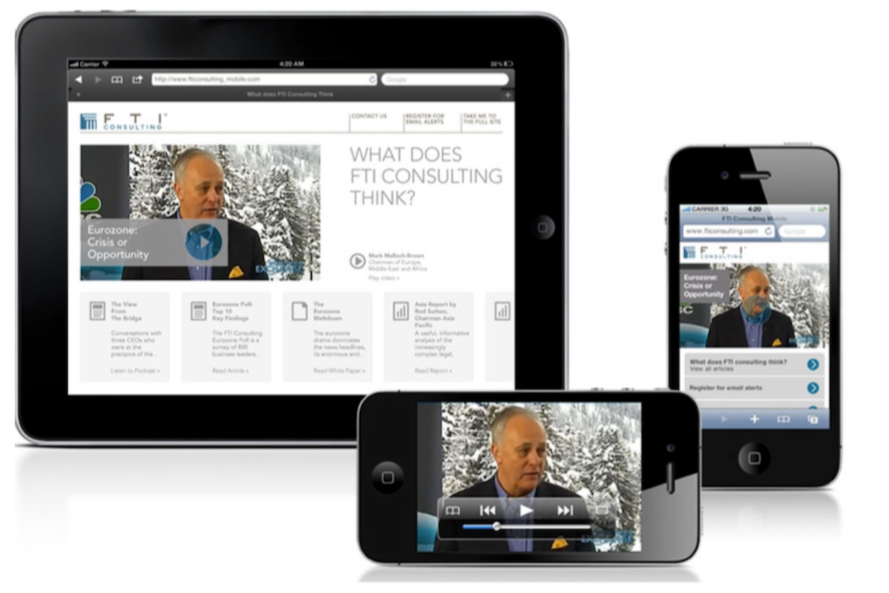

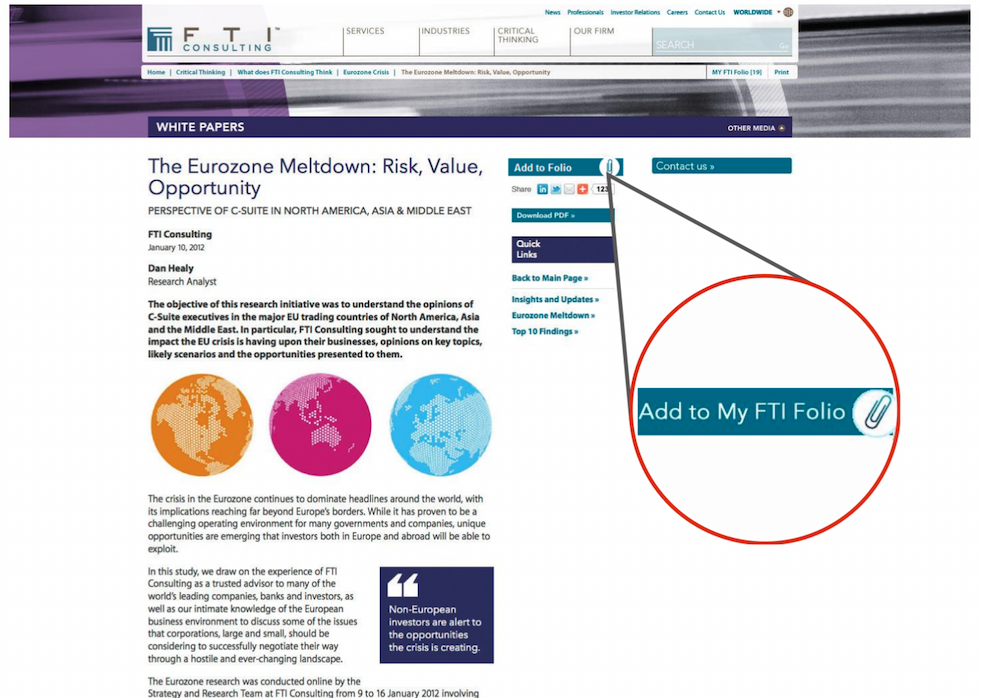
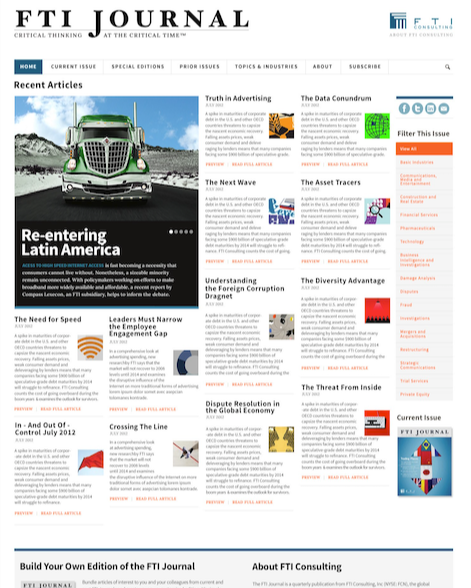
Digital ecosystem overhaul drove seamless integration across a wide net of services, practices and regions.
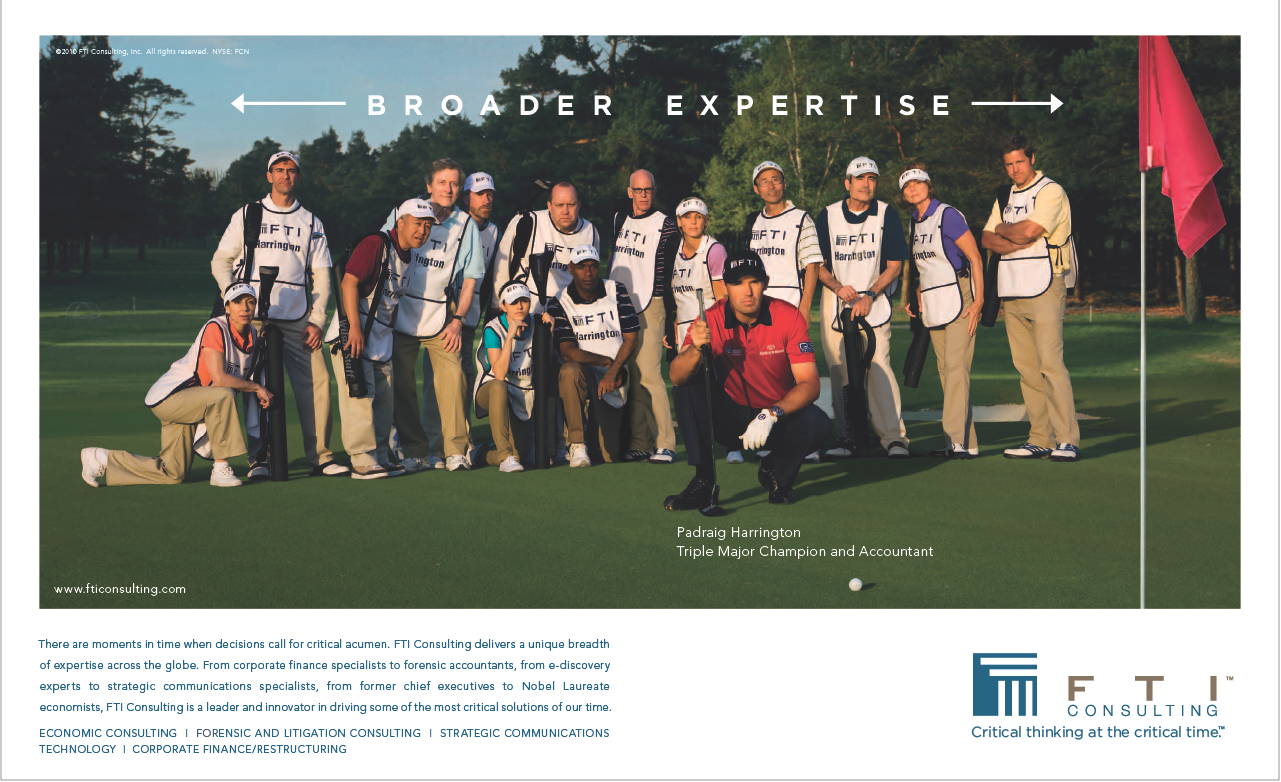
Fully integrated campaign featuring Padraig Harrington for a CBS Sports media partnership
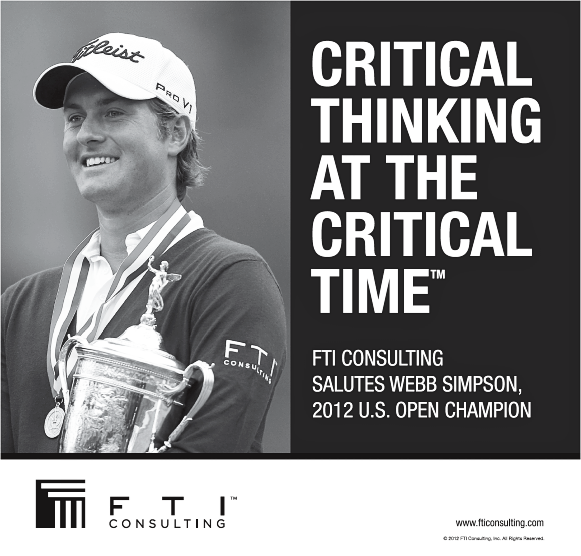
Webb Simpson, Jr. partnership and activations garnered strong brand results
TAKEAWAY
What made the role so interesting was learning how differently highly specialized teams think about growth, visibility, and client development.
The challenge was never forcing everyone into the same system. It was creating enough alignment, transparency, and connectivity that each group could still operate authentically while benefiting from the scale of the larger enterprise.
Once people started seeing how the broader platform could genuinely help grow their own business, alignment stopped feeling corporate and started becoming useful.